Transform Your Outdoor Space with a Stunning ..
Aug 09 - 2026
09
Aug
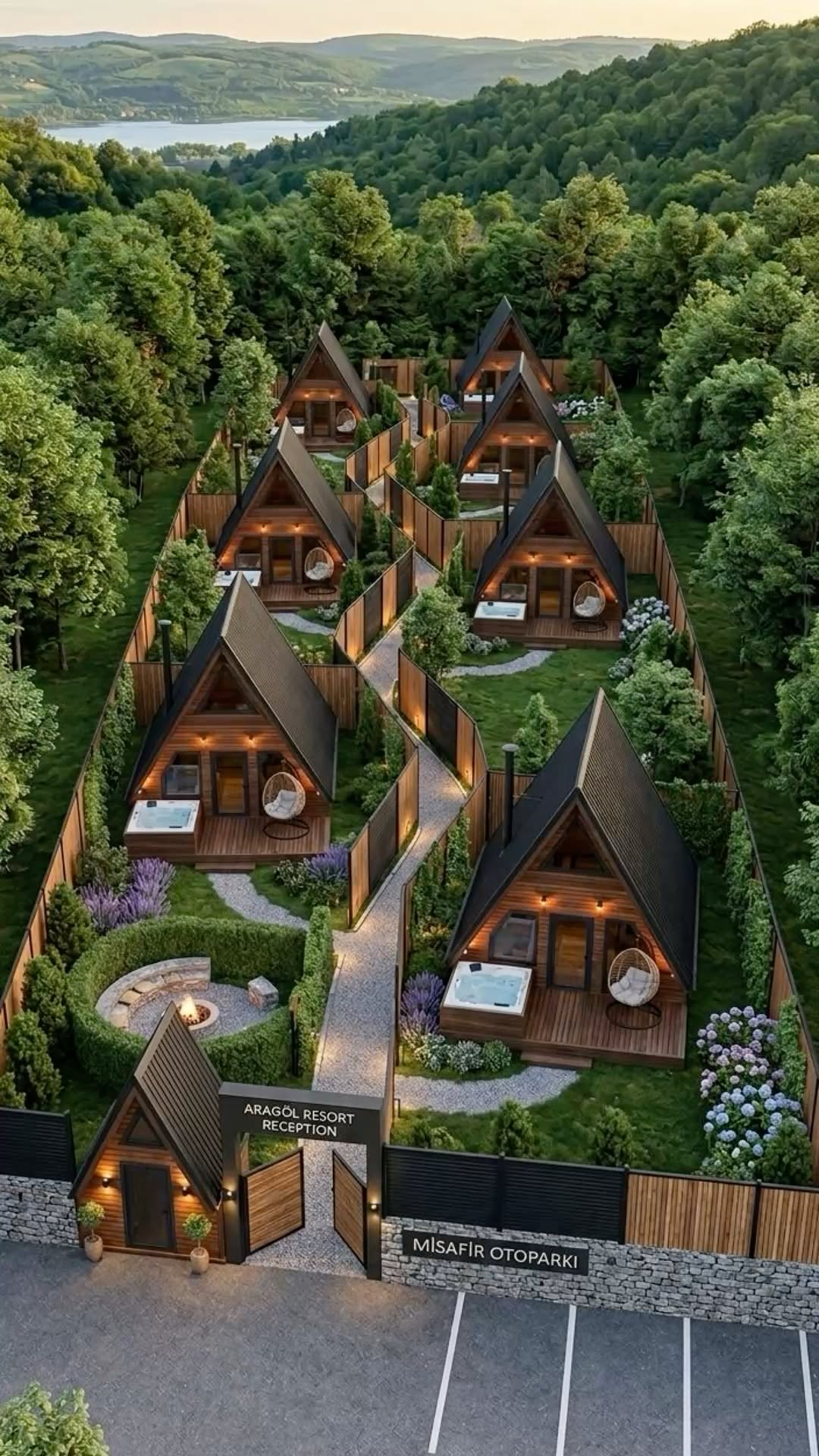
This guide is for homeowners looking to enhance their outdoor spaces with cozy cabin structures. Inspired by modern designs, it explores how to create a serene retreat in your own backyard.
Budgeting for a backyard cabin involves considering costs for materials, labor, and landscaping. Plan for a timeline that accommodates construction and potential weather delays. Hiring skilled tradespeople is crucial for quality results, especially for electrical and plumbing work. Before starting, ensure your site is clear and accessible, and avoid common mistakes like underestimating the foundation requirements or overlooking local zoning laws.
For constructing a backyard cabin, focus on the foundation and framing. A solid foundation is essential; options include concrete slabs or piers depending on your site conditions. Framing should utilize treated lumber to resist moisture, and proper insulation is key for year-round comfort. Ensure that windows and doors are installed correctly to prevent air leaks, and consider the roof pitch for effective water drainage.
Common materials for backyard cabins include wood, metal, and composite materials. Wood offers a traditional aesthetic but requires regular maintenance to prevent rot and pests. Metal is durable and low-maintenance, but may not blend as seamlessly into natural surroundings. Composite materials provide a balance of durability and aesthetics, often requiring less upkeep than wood while offering a variety of finishes.
When planning your cabin layout, consider the intended use—whether for relaxation, storage, or guest accommodation. Ensure adequate natural light through strategically placed windows. Access paths should be clear and functional, allowing easy movement between the cabin and other outdoor features. Plan for utilities like electricity and water, which may require additional permits and inspections.
Regular maintenance for your backyard cabin includes checking for signs of moisture damage, cleaning gutters, and inspecting the roof. Wood surfaces should be treated periodically to prevent decay, while metal components may need rust protection. Landscaping around the cabin should also be maintained to prevent overgrowth that could damage the structure.
Building a backyard cabin may require permits, especially if it includes electrical or plumbing work. Local building codes often dictate minimum safety standards for construction, so it's advisable to check with your local building department before starting. Ensure that your cabin complies with zoning laws regarding height and distance from property lines.
Hiring a licensed contractor can ensure that your cabin is built to code and meets your design specifications. Look for professionals with experience in outdoor structures and check their references. Quality checkpoints include verifying that the foundation is level and that framing is square before proceeding with insulation and exterior finishes.
Creating a backyard cabin can transform your outdoor space into a personal retreat. By carefully planning and selecting the right materials, you can ensure a successful project that enhances your property and provides lasting enjoyment.
Homeowners planning a similar project may also want to explore Outdoor Living Spaces and Creating a Stunning Outdoor Patio with Pool Features.
Additional resources on our site include Stylish Wooden Gazebo with Comfortable Seating Area and Transform Your Outdoor Space with a Stunning Paver Patio.
Aug 09 - 2026

Aug 09 - 2026

Aug 09 - 2026

Aug 09 - 2026